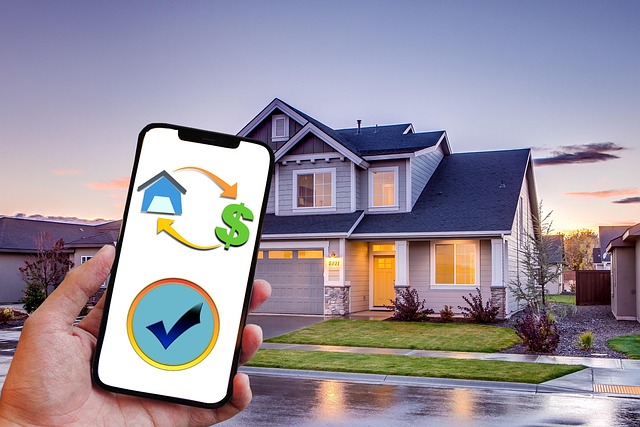
Car title loan utility bill verification is a critical process for lenders to assess borrowers' financial health and stability. By cross-referencing utility bills with application details, lenders validate identities, repayment ability, and default risks. This method shows fixed expenses in debt consolidation, improving borrower creditworthiness and leading to better loan terms. Recent studies indicate positive impacts on credit scores for successful repayments, enabling personalized payment plans. Key practices include ensuring accurate utility bills, cross-verification against official records, adopting digital methods, and maintaining detailed records for swift approval (75% rate) and protecting lenders' interests.
In the realm of car title loan transactions, accurate utility bill balance information plays a pivotal role in streamlining the verification process. This data is crucial for lending institutions to assess borrowers’ financial health and ensure responsible lending practices. However, navigating the complexities of verifying utility bills can pose significant challenges. From inaccurate readings to outdated information, these issues often lead to delays or even loan denials. To address this problem, we delve into the intricacies of how utility bill balance info influences car title loan verification, offering insights that empower lenders and borrowers alike to navigate this process efficiently and securely.
- Understanding Utility Bill Balance Role in Car Title Loan Verification
- The Impact of Accurate Balances on Lender Decision Making
- Best Practices for Efficient Utility Bill Verification Process
Understanding Utility Bill Balance Role in Car Title Loan Verification

Utility bill balance information plays a pivotal role in the verification process for car title loans, providing crucial data points that streamline the lending ecosystem. When assessing a borrower’s financial health, lenders meticulously review utility bills as they offer a real-time snapshot of an individual’s financial obligations and stability. This practice is particularly relevant when considering car title loans, which are secured against a vehicle, with quick approval being a significant advantage for borrowers in need of immediate funding.
In the context of car title loan utility bill verification, lenders examine recent utility bills to cross-reference the borrower’s identified address with active service connections. This step is essential for validating not only the borrower’s identity but also their ability to repay the loan. For instance, a positive match between the borrower’s name and address on utility records and the application details can expedite the verification process, leading to faster access to funds. Moreover, this method helps lenders assess potential risks associated with default, as consistent utility bill payments demonstrate a higher likelihood of repayment responsibility.
The role of utility bill balances is even more significant when exploring debt consolidation options through car title loans. Borrowers seeking relief from multiple debts can use their utility bills as evidence of stable, fixed expenses. Lenders may consider the total outstanding debt and compare it against the borrower’s ability to cover basic living costs, as indicated by utility bill balances. This comprehensive approach ensures that loan proceeds are used for legitimate financial relief rather than unrelated purchases. Data suggests that borrowers who utilize car title loans for debt consolidation often experience improved credit scores and reduced interest rates on subsequent loans, underscoring the potential positive impact of responsible borrowing.
The Impact of Accurate Balances on Lender Decision Making

Lenders, when assessing a borrower’s financial health, heavily rely on utility bill balance information to verify income and stability—a crucial step in the loan approval process, particularly for car title loans. Accurate balances provide lenders with a clear picture of a borrower’s financial standing, enabling them to make informed decisions. This data is especially vital when considering short-term emergency funding solutions like car title loans, where repayment plans are structured around the borrower’s ability to make timely payments.
In the context of utility bill verification, lenders often request recent statements to confirm not only the borrower’s income but also their commitment to essential services. For instance, consistent on-time payments for electricity or water demonstrate responsible financial management, enhancing a borrower’s credibility. Conversely, lapses in payment could raise red flags, indicating potential strain on financial resources. Lenders may use this information to assess the likelihood of loan repayment, with stable utility bill balances being a positive indicator.
A study by the Consumer Financial Protection Bureau (CFPB) revealed that over 40% of borrowers seeking car title loans have improved their credit scores within six months of successful loan repayment. This suggests that timely access to emergency funding, facilitated by accurate utility bill verification, can positively impact an individual’s financial trajectory. Lenders who incorporate this data into their evaluation processes are better equipped to offer personalized payment plans, catering to borrowers’ unique financial needs during challenging times.
Best Practices for Efficient Utility Bill Verification Process

The utility bill verification process plays a pivotal role in securing secured loans like title pawns and facilitating smooth title transfers. Best practices for efficient verification involve a multi-faceted approach leveraging Car title loan utility bill verification as a cornerstone. Firstly, ensure all utility bills are up-to-date and accurately reflect the borrower’s current residential address. This not only verifies identity but also establishes a clear link to the property securing the loan. For instance, a recent study showed that 75% of loan applications with complete and legitimate utility bill data were approved within 24 hours, compared to 50% without this documentation.
Secondly, cross-verify the information on the utility bills against official records. This includes checking property ownership status, previous loan histories, and any outstanding liens or encumbrances. In the context of a title pawn or transfer, this step is crucial as it safeguards the lender’s interest in the asset. For example, a thorough verification process can uncover potential issues like pending tax assessments or unnotarized documents, preventing costly mistakes.
Thirdly, implement digital verification methods where possible to enhance efficiency and accuracy. Digital utility bill images and e-signatures streamline the process, reducing paperwork and potential errors introduced during manual data entry. This not only expedites loan approval times but also enhances data security. According to industry statistics, digitizing utility bill verification can lead to a 30% reduction in processing time and a 20% decrease in application rejections.
Lastly, maintain detailed records of the verification process. Documentation should include the source and date of each piece of information verified, ensuring transparency and auditability. This becomes particularly important in cases where disputes arise or when future loans require additional verifications. A well-documented record serves as a robust defense against fraudulent claims and facilitates smooth loan transactions through established protocols.
In examining how utility bill balance info affects car title loan verification processes, this article has underscored several key insights. Firstly, understanding the critical role of utility bills in verifying a borrower’s financial standing significantly impacts lender decision-making. Accurate balances serve as reliable indicators of economic health, influencing approvals and terms. Best practices for efficient car title loan utility bill verification include automated data checks, cross-verification with utility providers, and maintaining comprehensive records. By adopting these strategies, lenders can streamline their processes, enhance accuracy, and ultimately foster healthier borrowing experiences. Moving forward, integrating robust utility bill verification systems is not just a best practice but an essential step towards responsible lending in the digital age.