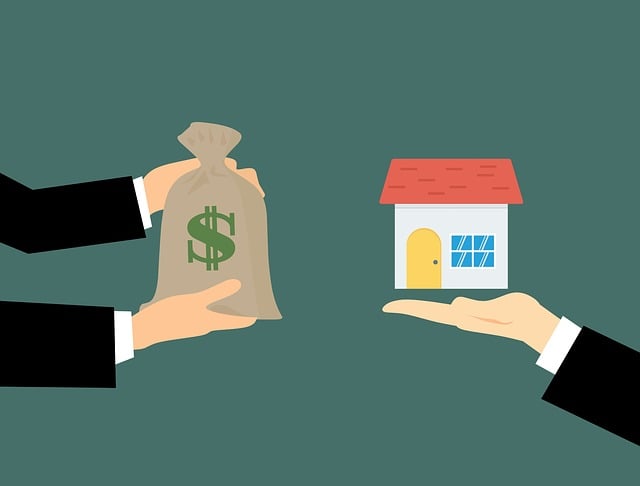
Car title loan utility bill verification is a critical step where lenders validate income and stability by cross-checking account holder details on bills. Keeping bills up-to-date and accurate documentation speeds approval, preventing penalties. Robust verification methods mitigate fraud risks, fostering transparency for secure funding while preserving vehicle ownership.
Car title loans, a quick solution for cash needs, often require verifying utility bills as part of the application process. This article delves into the common issues that arise during car title loan utility bill verification, highlighting the challenges in confirming accuracy and legitimacy. We explore strategies to navigate these obstacles, offering practical advice for lenders and borrowers alike to ensure a smoother, more efficient verification process. Understanding these requirements and potential pitfalls is crucial for successful car title loan transactions.
- Understanding Utility Bill Requirements for Car Title Loans
- Common Challenges in Verifying Bill Accuracy and Legitimacy
- Strategies to Overcome Issues During Verification Process
Understanding Utility Bill Requirements for Car Title Loans

When applying for a car title loan, one of the critical steps is the utility bill verification process. Lenders require this to ensure that borrowers have a stable and legitimate source of income to repay the loan. The utility bills typically requested include electricity, water, or gas bills, offering a snapshot of the borrower’s financial stability. This verification method is essential for lenders as it helps assess repayment capability and reduces default risks.
During car title loan utility bill verification, lenders will examine the bill details such as the account holder’s name, address, and service provider. They must match these with the applicant’s provided information accurately. It is crucial to keep your utility bills up-to-date and present them during the application process. Keeping your vehicle as collateral ensures that you maintain control over it throughout the loan term, but timely bill payments are necessary to avoid any penalties or repossession risks. Loan terms and conditions should be thoroughly understood before agreeing to any terms, ensuring a clear path to repaying the loan without complications.
Common Challenges in Verifying Bill Accuracy and Legitimacy

When it comes to Car Title Loan Utility Bill Verification, several common challenges can arise that delay or complicate the process. One significant hurdle is ensuring the accuracy and legitimacy of utility bills presented by borrowers. With increasing instances of fraud and synthetic identity theft, verifying that a bill belongs to the borrower and reflects genuine service usage becomes a complex task. Lenders often have to cross-check details with utility providers, which can take time, especially when dealing with out-of-state or international loans.
Moreover, the legitimacy of bills is not always straightforward. Borrowers might submit fake or altered documents in an attempt to secure emergency funding through San Antonio Loans. Lenders must employ robust verification methods, such as direct communication with utility companies and cross-referencing data from multiple sources, to mitigate these risks. This process adds a layer of complexity but is crucial for securing both the lender’s interests and ensuring that secured loans are provided to legitimate borrowers.
Strategies to Overcome Issues During Verification Process

When navigating the car title loan utility bill verification process, borrowers often encounter challenges that can delay or even threaten their loan approval. However, there are effective strategies to overcome these issues and secure your desired funding. One key approach is to ensure accurate and up-to-date financial documentation. This includes providing clear and complete utility bills that reflect your current address and name. Keeping your vehicle’s registration details current and aligning them with the loan application information can also streamline the verification process.
Additionally, understanding and adhering to the loan terms set by the lender is crucial. Lenders may request specific types of utility bills as proof of residency, so it’s essential to have these readily available. If you’re facing unexpected issues like disconnection notices or missing bills, communicate openly with your lender. Many financial institutions are willing to work with borrowers and offer solutions, such as providing alternative documentation or adjusting loan terms to accommodate temporary setbacks. Keeping open lines of communication and ensuring transparency can significantly enhance the verification process, allowing you to keep your vehicle while accessing much-needed funds.
Car title loan utility bill verification is a critical step that can often present challenges. By understanding the requirements, recognizing common issues like inaccurate or fraudulent bills, and employing strategies to streamline the process, borrowers can ensure a smoother experience. This proactive approach not only helps protect against potential scams but also facilitates timely access to much-needed funds.