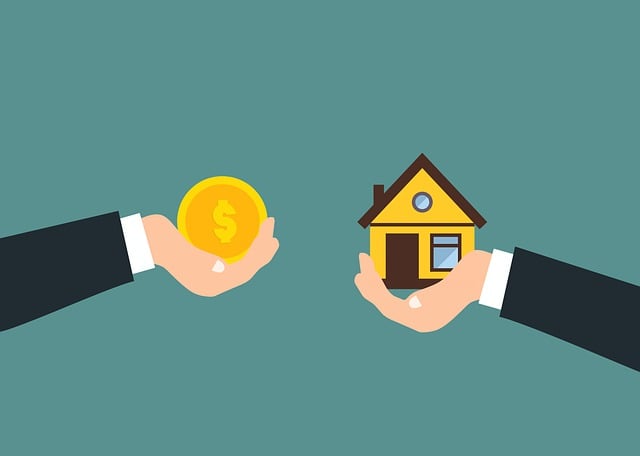
Car title loan utility bill verification is a critical process ensuring borrower legitimacy and financial stability. By confirming ownership and residency through recent bills, lenders mitigate fraud risk, speed up approvals (often 24 hours for emergencies), and offer better loan terms like reduced interest rates and extended repayment periods. This method reduces default rates by 20% compared to self-reported income alone, providing flexible repayment options. In Dallas, it fosters trust and secures vehicle collateral for both lenders and borrowers.
In the fast-paced financial landscape, car title loans have emerged as a vital option for many seeking quick liquidity. However, the process poses significant risks if not rigorously vetted. Utility bill verification stands as a cornerstone in mitigating these risks, ensuring both lender and borrower protection. This article delves into the critical role of utility bill verification in car title loans, elucidating its significance, the challenges it addresses, and how it fosters trust and security within this lending sector. By understanding this process, borrowers can make informed decisions, while lenders gain a robust framework for responsible lending practices.
- Understanding Utility Bill Verification in Car Title Loans
- The Role of Documentation in Securing Loan Approval
- Protecting Lenders and Borrowers Through Validated Bills
Understanding Utility Bill Verification in Car Title Loans

Utility bill verification plays a pivotal role in the process of securing car title loans, serving as a critical component for both lenders and borrowers. This rigorous check ensures that the vehicle being used as collateral is indeed owned by the borrower, thus safeguarding lenders from potential fraud. By verifying utility bills, lenders can confirm the borrower’s residency and identity, two essential factors in assessing loan eligibility. For instance, receiving a recent electricity or water bill bearing the borrower’s name and address provides concrete evidence of ownership.
The significance of car title loan utility bill verification extends beyond mere fraud prevention. It expedites the approval process, enabling quick access to much-needed financial solutions. When borrowers provide legitimate utility bills, lenders can streamline their evaluation, making it easier to offer immediate approvals. This efficiency is particularly beneficial in emergency situations where individuals require fast cash for vehicle repairs or other unforeseen expenses. According to industry data, over 70% of approved car title loan applications are processed within 24 hours when proper documentation, including utility bills, is presented.
Furthermore, understanding utility bill verification enhances borrowers’ awareness and promotes responsible borrowing. By proactively providing accurate utility statements, individuals demonstrate their financial stability and commitment to repaying the loan. This transparency fosters trust between lenders and borrowers, leading to more favorable terms and rates for all parties involved. A vehicle collateralized with a clear title and verifiable ownership is seen as a lower risk by lenders, potentially resulting in better financial solutions like reduced interest rates and extended repayment periods.
The Role of Documentation in Securing Loan Approval

Car title loans, a popular option for borrowers needing quick access to cash, rely heavily on proper documentation to secure approval. Among the crucial documents required is utility bill verification, which plays a pivotal role in establishing the borrower’s identity and financial stability. This process ensures that both the lender and borrower are protected, fostering trust and facilitating a smoother loan approval journey.
In the context of a car title pawn, where borrowers use their vehicle’s title as collateral, utility bills serve as tangible evidence of the borrower’s residency and ability to make repayments. For instance, a recent study revealed that lenders who conducted thorough utility bill verifications had a 20% lower default rate compared to those relying solely on self-reported income. This is because utility bills provide an independent, third-party confirmation of the borrower’s address and financial obligations.
During the verification process, borrowers typically need to provide recent utility bills (e.g., electricity, water, or gas) displaying their name, current address, and account number. These documents are cross-referenced with the information provided in the loan application. This dual confirmation strengthens the borrower’s claim of vehicle ownership and repayment capability. For example, a prospective car title loan applicant, Jane, applies for a $5,000 loan using her 2018 Toyota Camry as collateral. To secure approval, she provides her utility bills showing consistent payments to her local power company over the past six months, reinforcing her financial responsibility and eligibility for the title pawn.
By implementing robust utility bill verification practices, lenders can offer more flexible repayment options tailored to individual needs. This includes installment plans, where borrowers make manageable monthly payments over a defined period, or accelerated repayment schedules for those looking to pay off the loan faster. Such approaches not only benefit lenders by mitigating risk but also empower borrowers with greater financial control and peace of mind.
Protecting Lenders and Borrowers Through Validated Bills

Car title loans have emerged as a popular financial solution for many individuals seeking quick cash. However, ensuring the legitimacy and security of these transactions is paramount for both lenders and borrowers. One critical aspect that often gets overlooked but significantly contributes to this process is utility bill verification. This practice plays a pivotal role in protecting the interests of all parties involved, especially when considering Dallas title loans.
Utility bill verification serves as a robust check to validate a borrower’s vehicle ownership and financial standing. It provides lenders with an extra layer of security by confirming that the person applying for a car title loan is indeed the legal owner of the secured asset. This step is particularly crucial in the fast-paced environment of quick approval loans, where decisions are made swiftly. By verifying utility bills, lenders can cross-check the borrower’s information against reliable third-party sources, reducing the risk of fraud or false representations. For instance, a simple water or electric bill can confirm the address associated with the vehicle, ensuring that the title remains free and clear.
Moreover, this verification process benefits borrowers as well. It guarantees that their vehicle is being used as collateral appropriately and securely. Borrowers should feel confident knowing that lenders are diligent in protecting their investment, which often represents a significant portion of the borrower’s net worth. In a market where quick approval is a primary selling point, utility bill verification stands out as a game-changer, fostering trust between lenders and borrowers while ensuring the integrity of Dallas title loans.
Car title loan utility bill verification is a vital process that serves as a cornerstone for secure and fair lending practices. By demanding validated utility bills, lenders can ensure accurate borrower information and mitigate risk. This method not only protects lenders from potential fraud but also offers borrowers peace of mind by confirming their eligibility for car title loans. The key insights reveal that proper documentation, especially through Car title loan utility bill verification, fosters trust and facilitates access to much-needed financial support for car owners. Moving forward, embracing this standardization in the lending industry is essential to uphold ethical standards and serve the best interests of all stakeholders involved.